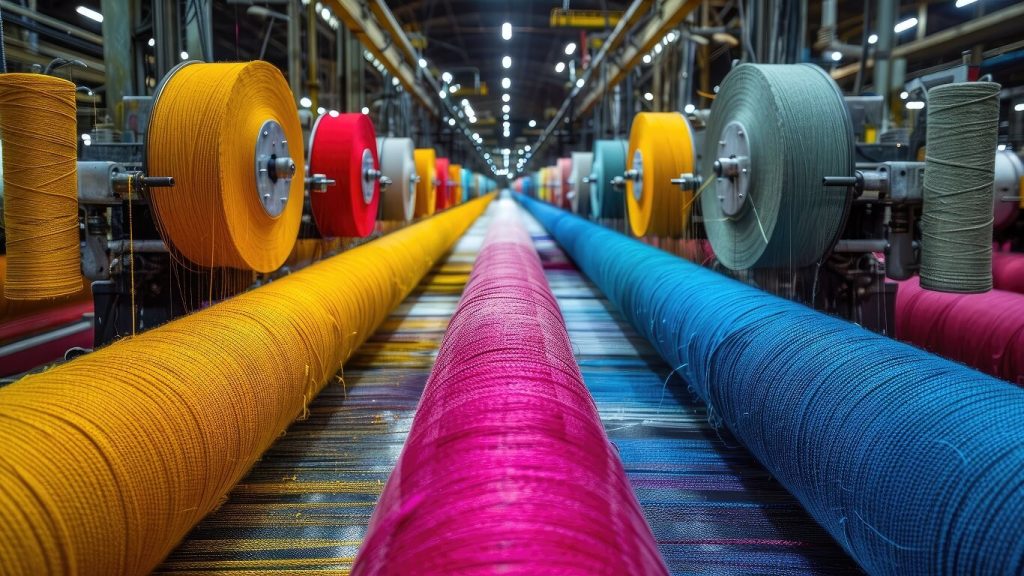

Weaving has always been at the heart of the textile world — a beautiful balance between creativity, precision, and craftsmanship. What began centuries ago as a fully hand-driven art form has evolved into a sophisticated process enhanced by advanced machinery. Yet, even today, the spirit of traditional weaving lives on, inspiring how fabrics are made and appreciated around the world.
Traditional weaving isn’t just a method; it’s a story of culture, patience, and artistry. Skilled artisans once spent days — even weeks — handcrafting intricate patterns on wooden looms. Every thread carried meaning, and every motif reflected heritage.Even in the modern textile era, these traditional skills remain invaluable. They serve as the foundation for contemporary designs, influencing everything from luxury fabrics to artisanal fashion collections.
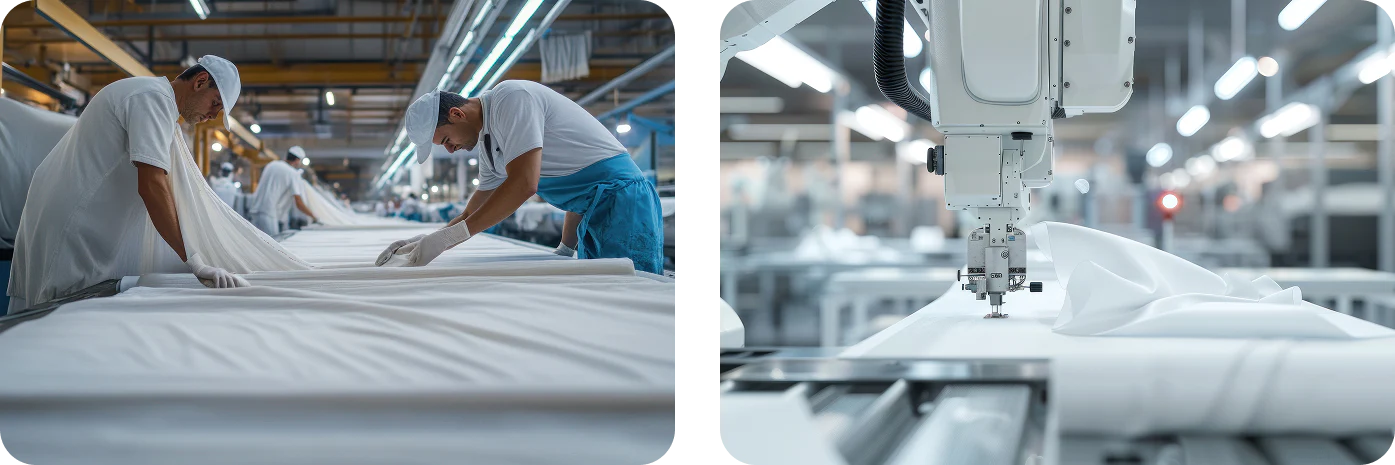
Textile website services
The art of weaving continues to evolve — not by replacing the old, but by honoring it through innovation. As technology advances, it becomes the perfect companion to human skill, ensuring that weaving remains a timeless craft, alive with creativity and purpose.
- Modern weaving merges age-old craftsmanship with advanced machinery for superior fabric creation.
- Traditional weaving techniques preserve cultural artistry and timeless design values.
- Automated looms and CAD technology ensure speed, precision, and consistency.
- Modern machinery reduces material waste and energy use while maintaining quality.
- Skilled artisans remain vital for maintaining creativity, detail, and authenticity in textile design.
The art of weaving has always been more than just a production process — it’s a timeless expression of creativity, patience, and technical mastery. What began thousands of years ago with handlooms operated by skilled artisans has evolved into an intricate
Weaving has always been at the heart of the textile world — a beautiful balance between creativity, precision, and craftsmanship. What began centuries ago as a fully hand-driven art form has evolved into a sophisticated process enhanced by advanced machinery. Yet, even today, the spirit of traditional weaving lives on, inspiring how fabrics are made and appreciated around the world.
Traditional weaving isn’t just a method; it’s a story of culture, patience, and artistry. Skilled artisans once spent days — even weeks — handcrafting intricate patterns on wooden looms. Every thread carried meaning, and every motif reflected heritage.Even in the modern textile era, these traditional skills remain invaluable. They serve as the foundation for contemporary designs, influencing everything from luxury fabrics to artisanal fashion collections.